Fact Sheet Examples: One Topic at 3 Lengths, and 5 Sheets by Reader
Fact sheet examples, starting with 3 government sheets on arsenic at 1, 2 and 4 pages, then 5 one-page sheets sized for the public, a buyer and an investor.

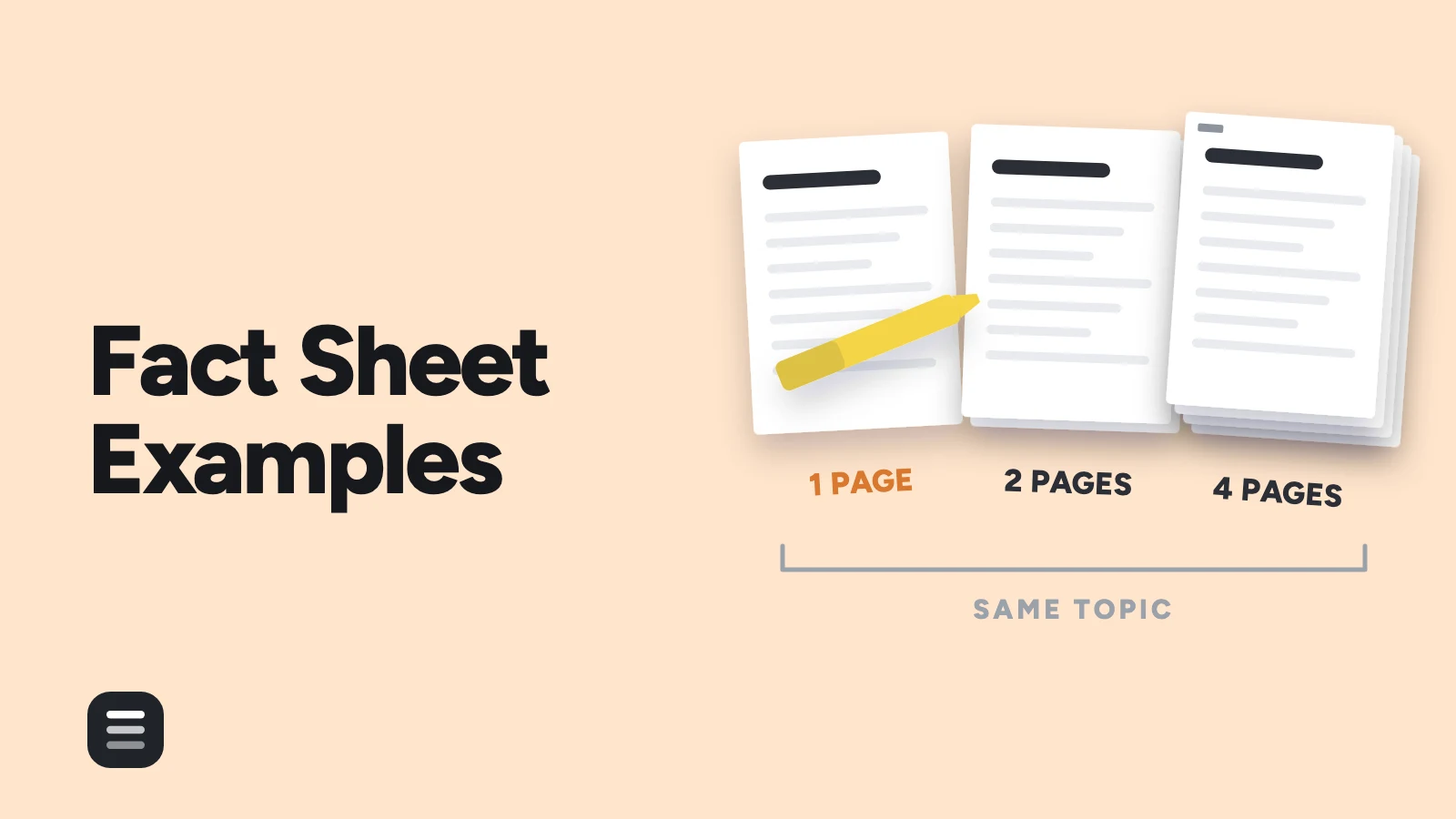
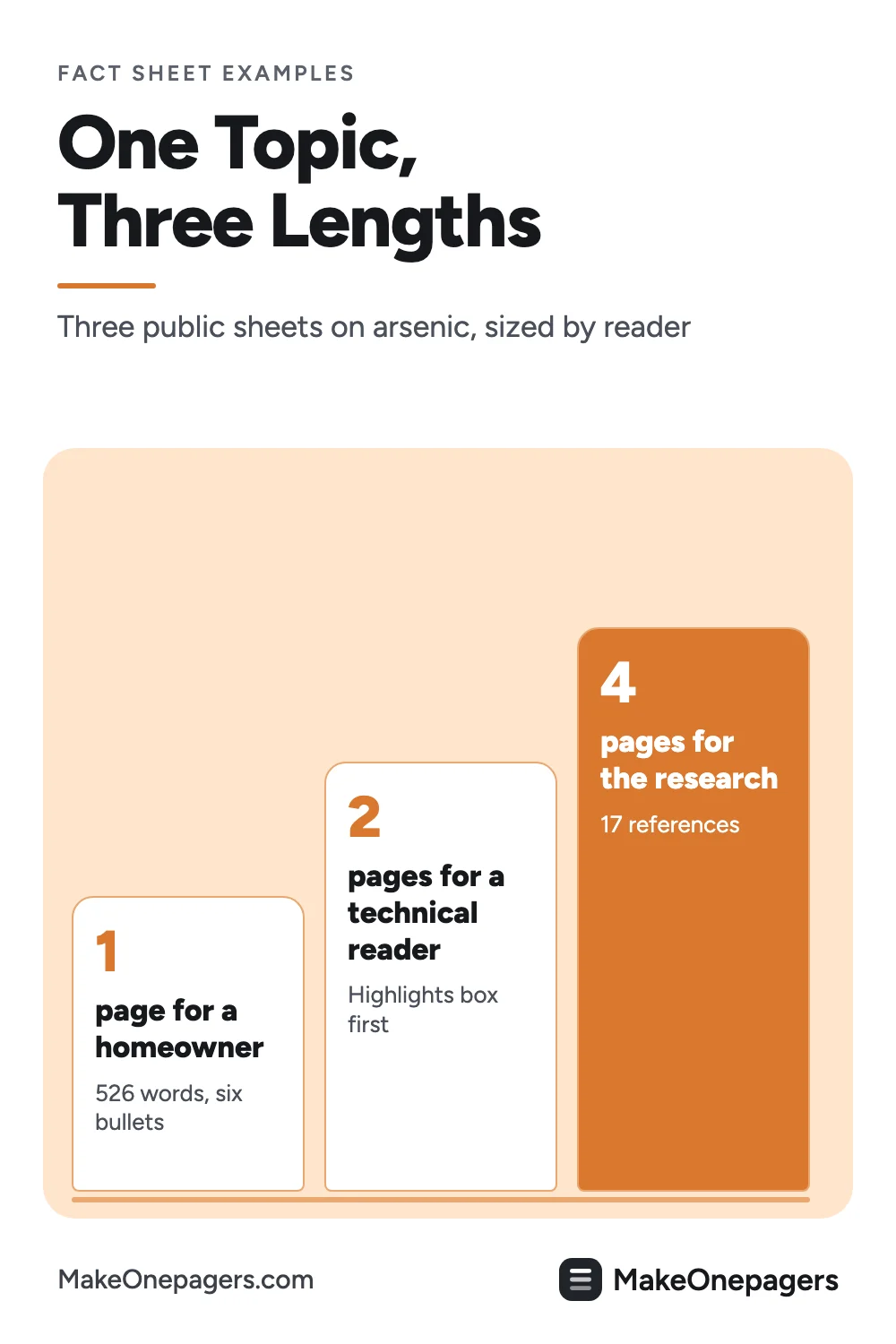
Three government publishers each wrote a fact sheet on arsenic, and side by side they're the most useful fact sheet examples we can show you. Pennsylvania's fits on one page in 526 words. The federal ToxFAQs sheet runs about 1,200 words over two pages. The NIEHS version fills four pages with about 2,200. All three are right, because each one is written for a different reader. Start from a free one pager template.
One‑Pager examples
Real One-Pagers made with MakeOnepagers. Open any one to edit it as your own.
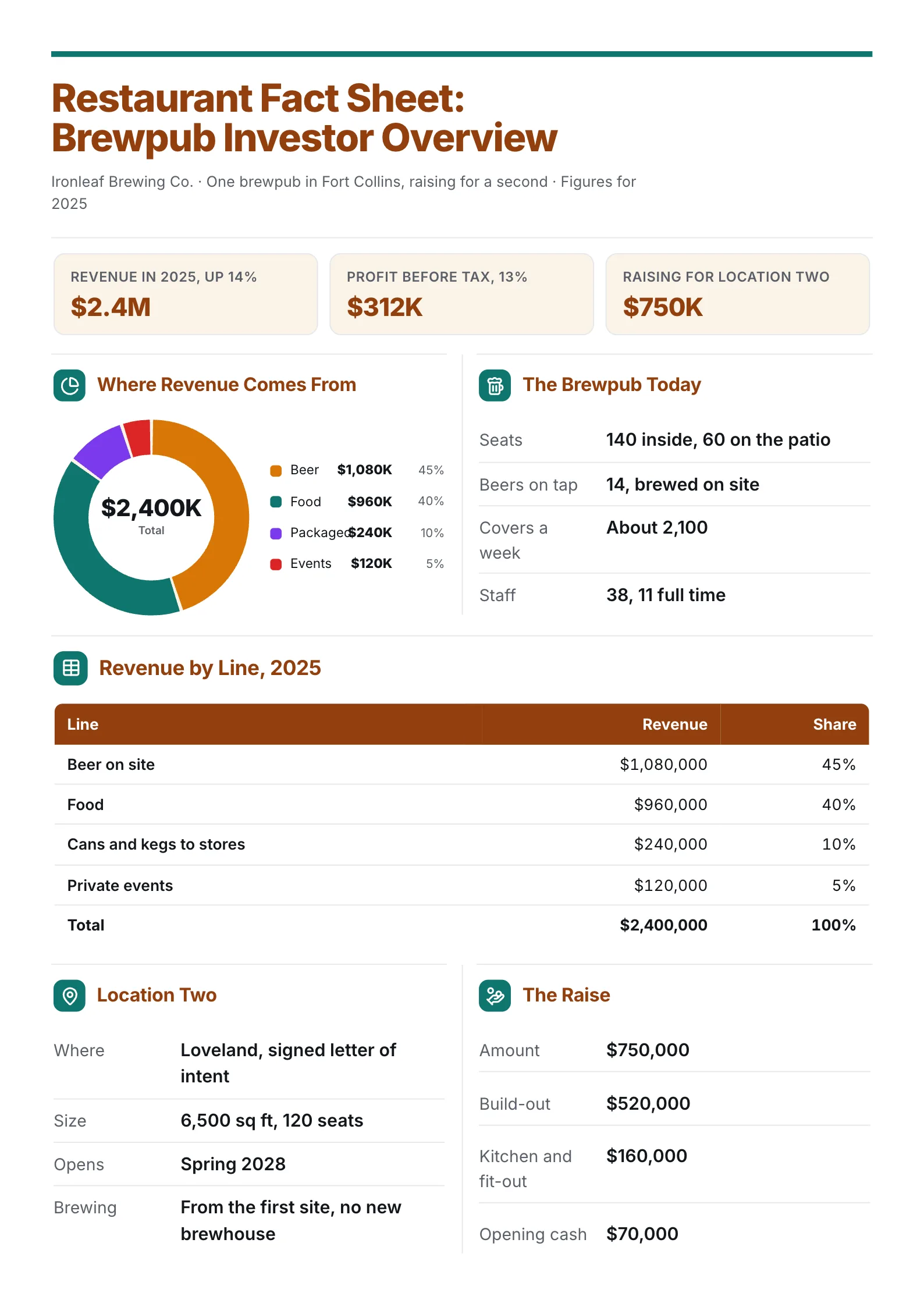 Restaurant Fact Sheet: Brewpub Investor OverviewEdit for free(opens in a new tab)
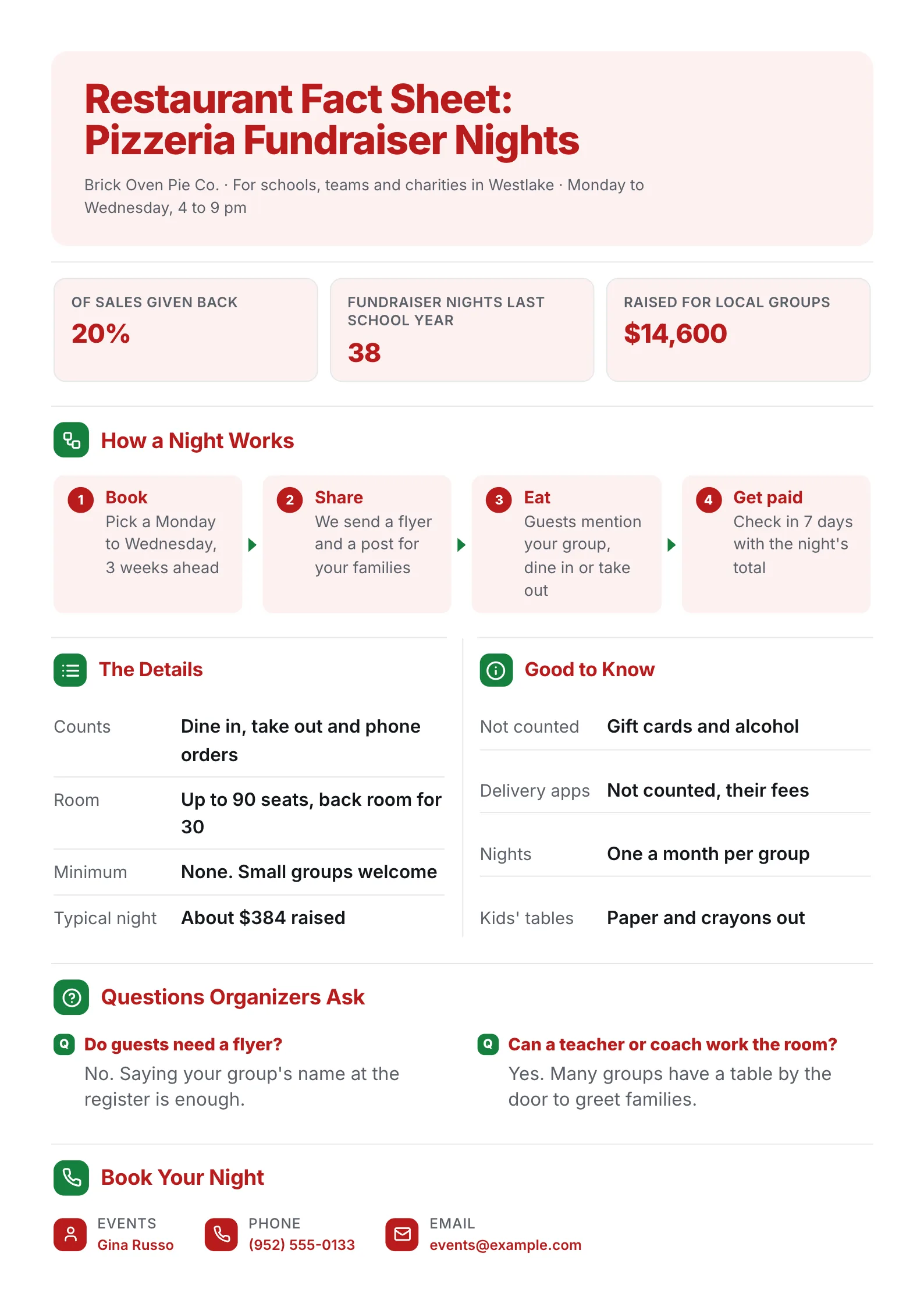 Restaurant Fact Sheet: Pizzeria Fundraiser NightsEdit for free(opens in a new tab)
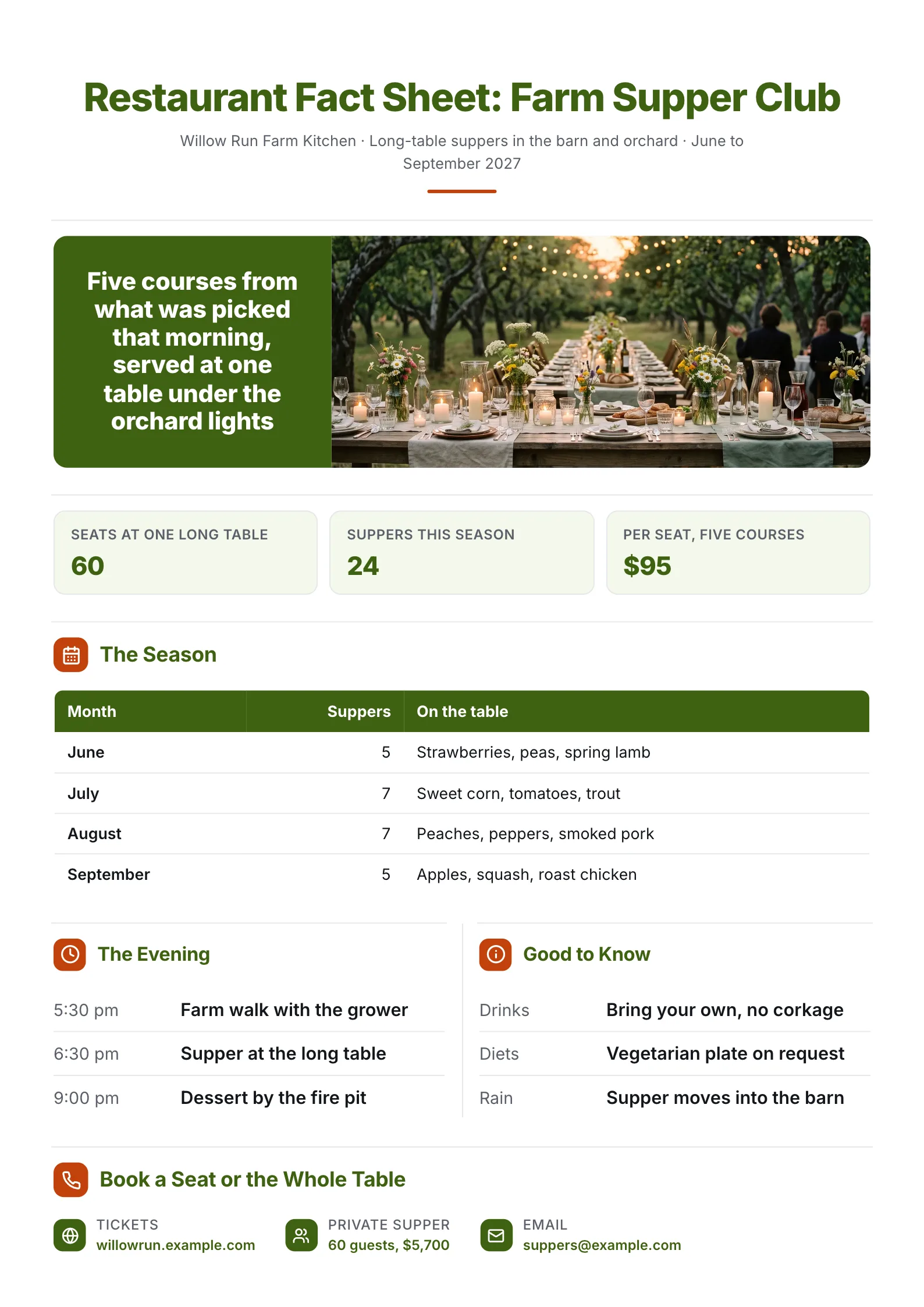 Restaurant Fact Sheet: Farm Supper ClubEdit for free(opens in a new tab)
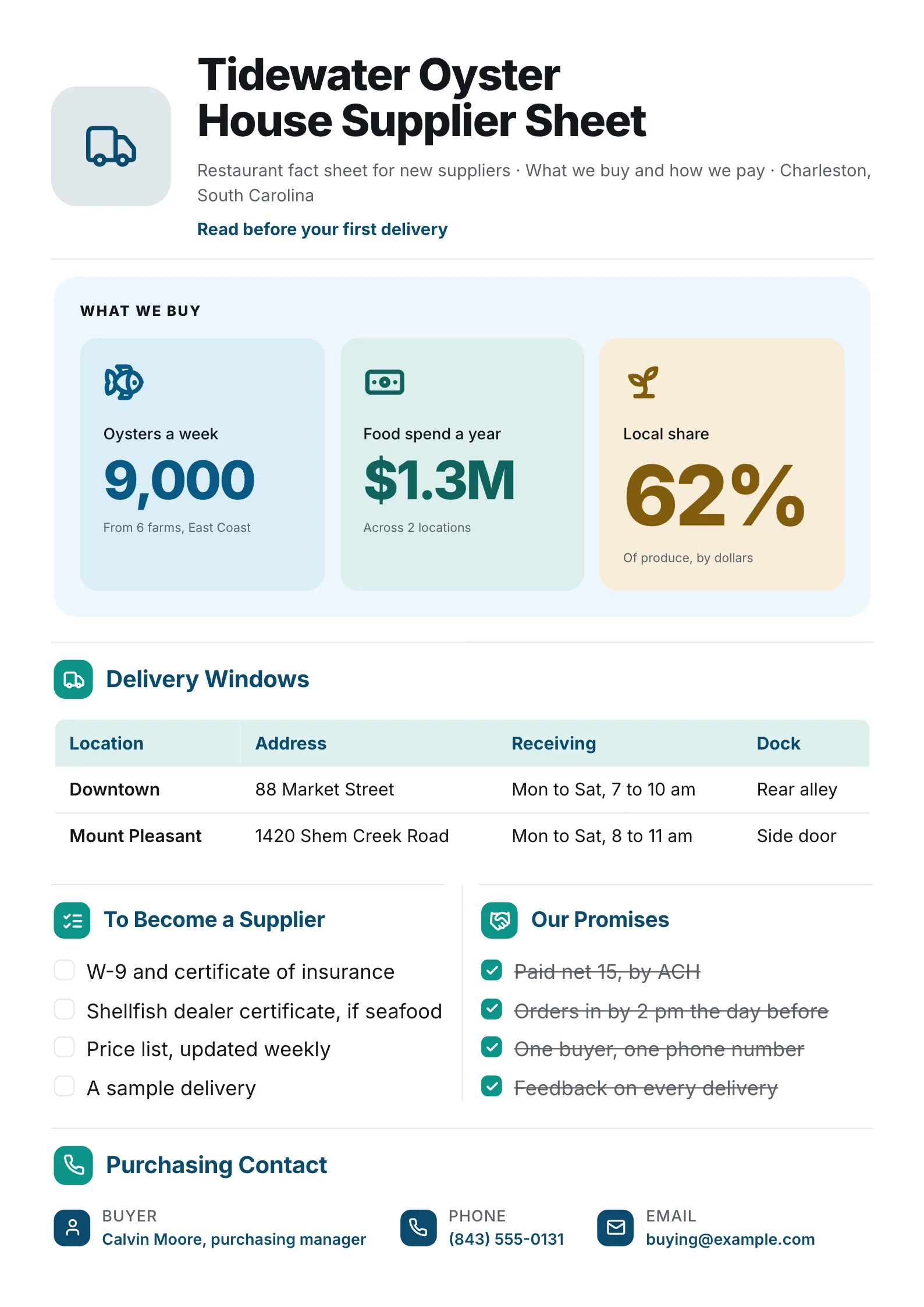 Restaurant Fact Sheet: Supplier OnboardingEdit for free(opens in a new tab)
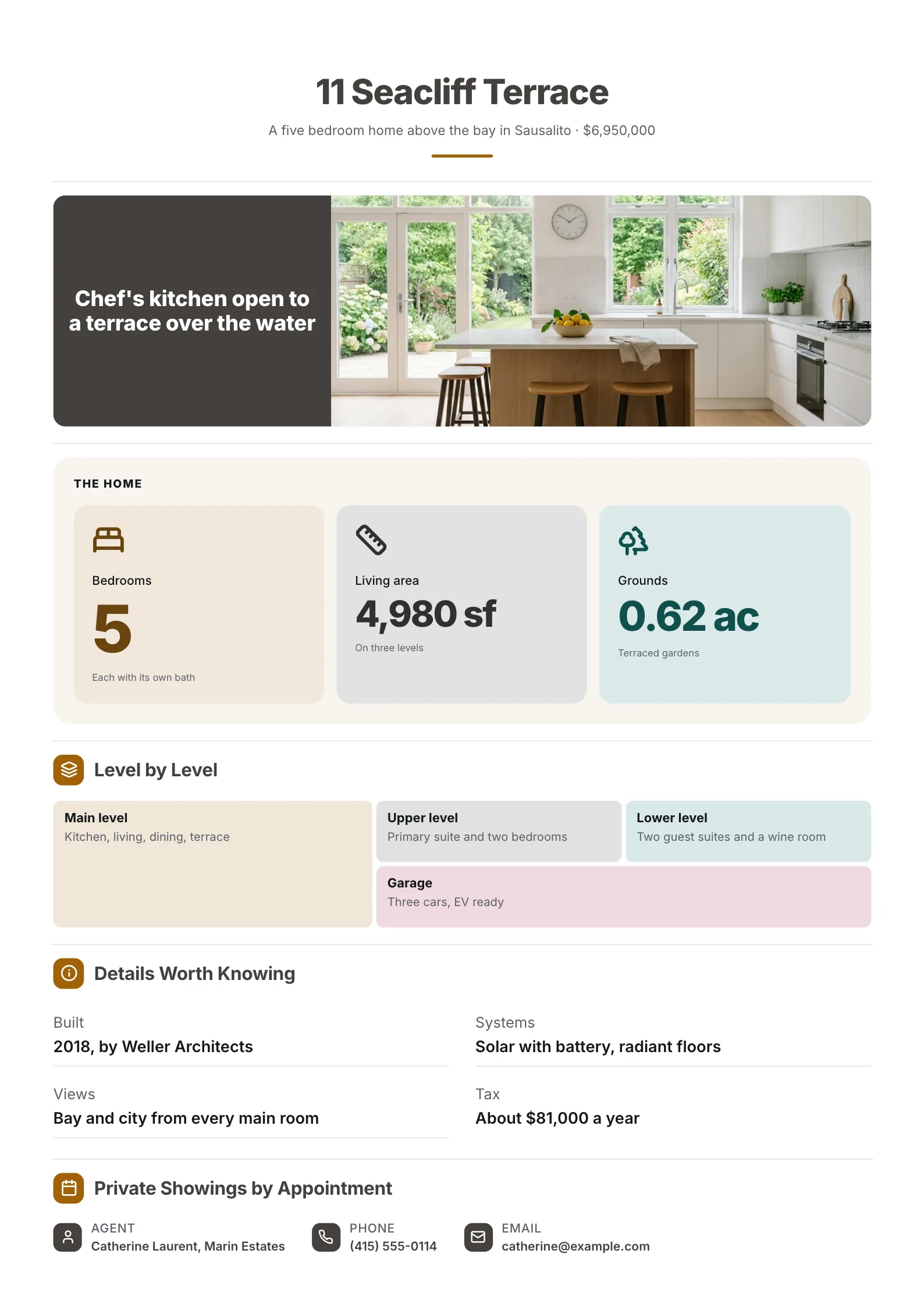 Property Fact Sheet: Luxury HomeEdit for free(opens in a new tab)
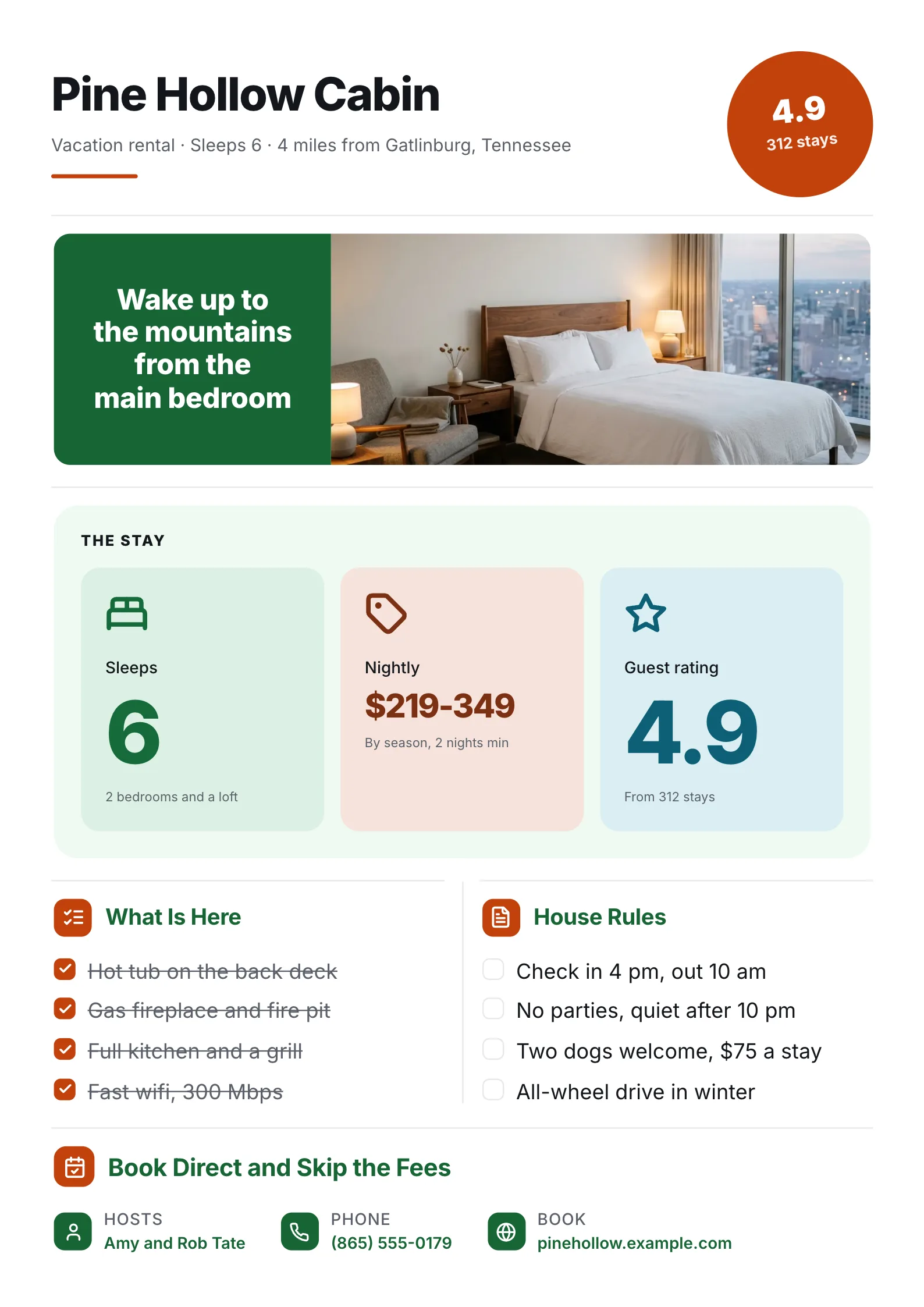 Property Fact Sheet: Vacation Rental CabinEdit for free(opens in a new tab)
That's the choice you make first when you write a fact sheet. Who's reading, and how much do they need? So we start with the three arsenic sheets, then sort five one-page samples by reader: one for the public, three for buyers and one for an investor who wants every number.
Arsenic three ways
Pennsylvania's Department of Health sheet, from August 2023, is written for a homeowner with a well. It has four all-caps questions, ending with "What can I do?" and six bullets. Under that come a contact email and phone number and four numbered sources. It gives you the one number most readers need, the EPA's drinking water limit of 0.01 parts per million.
The ATSDR ToxFAQs sheet runs two pages for a more technical reader. It opens with a box of highlights before any question, and it says arsenic turned up at 1,149 of the 1,684 sites on the EPA's National Priorities List. If your reader is a health worker, they want that. If you're a homeowner, you probably don't.
The NIEHS sheet, Arsenic and Your Health, from April 2024, runs four pages and cites 17 references. It's the one you'd hand someone who needs the research behind the advice.
We read three more public sheets to see what holds across lengths: NIEHS's Air Pollution and Your Health (4 pages, 39 references), its Mold and Your Health (2 pages, 13 references) and Ohio State Extension's botulism sheet, HYG-5567. We read all 6 on October 30, 2026. All 6 list their sources. Five of the 6 use questions as headings, and five give a phone number or email. Four end with a "what you can do" section. Only Pennsylvania's fits on one page.
Those habits carry over to your business sheets. What changes is how much your reader wants.
One page for the public: a town hall sheet
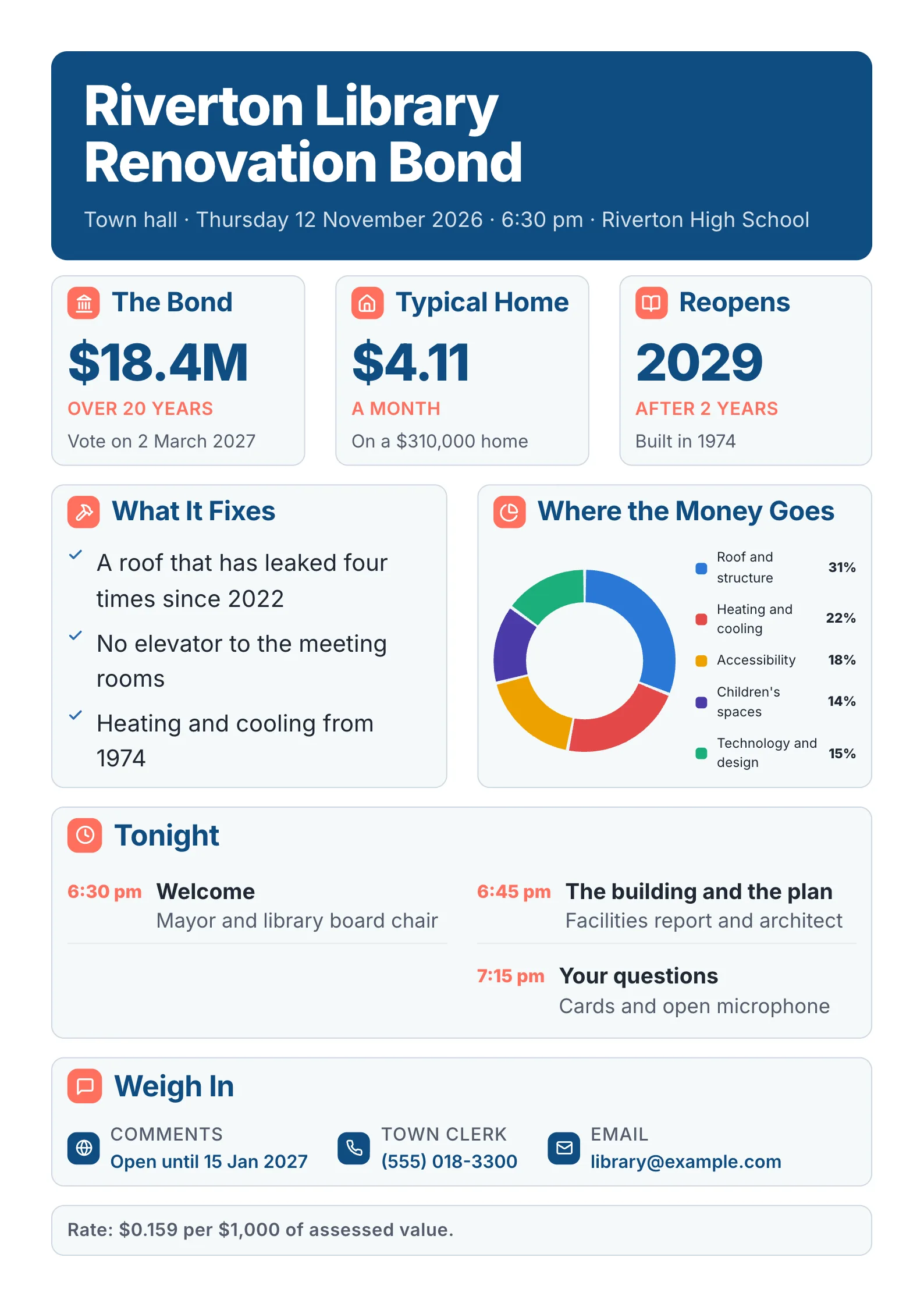
If you're explaining a public vote, your readers arrive with three questions and no patience for detail. The Riverton library bond sheet answers all three in its top row. How much is it? $18.4 million over 20 years. What does it cost my household? $4.11 a month on a $310,000 home. When will it be done? The library reopens in 2029.
Then it shows what the money fixes, like a roof that has leaked four times since 2022 and heating and cooling from 1974. It lists the meeting's agenda and ends with how to comment, including the deadline, phone and email. The tax rate sits in small type at the foot, for anyone who wants to check the math. Like Pennsylvania's arsenic page, it gives the general reader one number and puts the rest within reach.
 Edit this template
All five sample sheets use made-up places, prices and contacts. The cost to one household sits next to the total.
One page for a buyer: a house, land and a dining room
Your buyer reads more closely than the public does, but only about the thing they might buy. Each of these three sheets answers the questions that one kind of buyer asks.
An open house sheet with the running costs
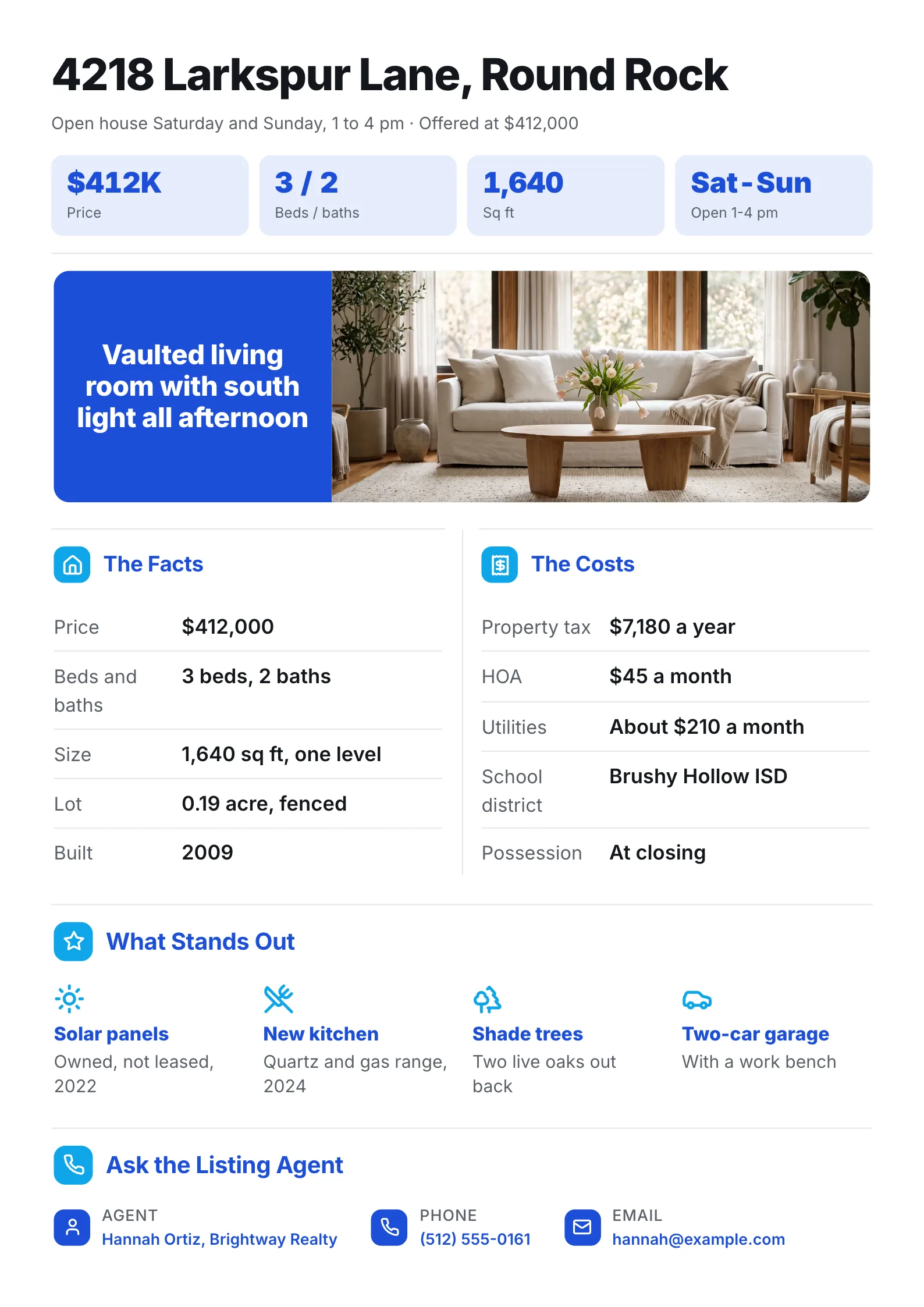
Most house flyers give you the price and the bedrooms. If you're selling, your buyer also wants the running costs, and this open house sheet for a three-bedroom home in Round Rock lists them. Property tax is $7,180 a year, the HOA is $45 a month and utilities run about $210 a month.
The What Stands Out box adds a detail to each feature. The solar panels are "owned, not leased, 2022," which answers the first question anyone asks about solar on a resale home. The agent's name, phone and email close the page.
 Edit this template
Yearly and monthly costs sit beside the price.
A land sheet that says what the land allows
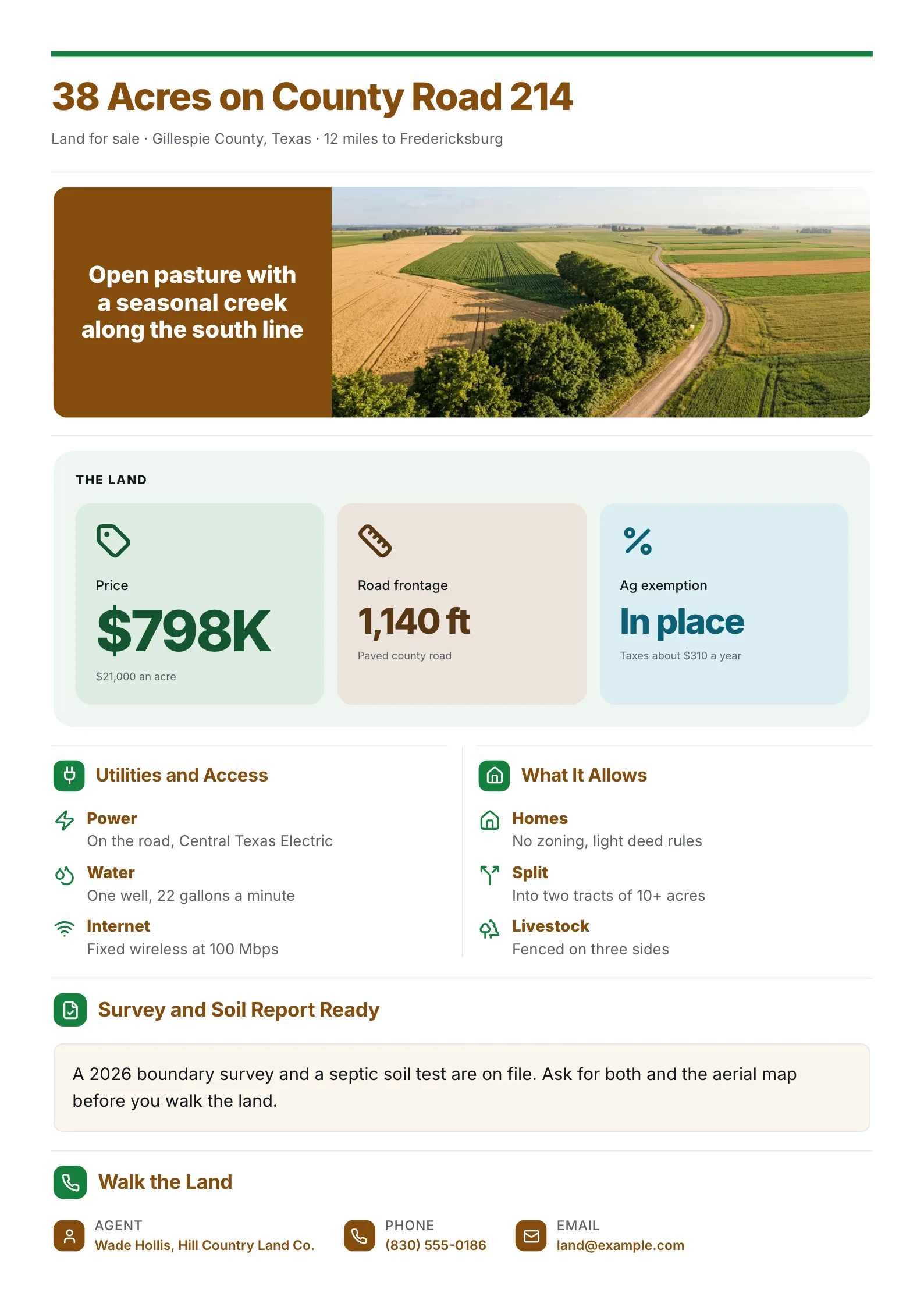
If you're selling land, your buyer asks different questions than a house buyer does. This sheet for 38 acres in Gillespie County, Texas, answers them in three blocks. The Land block covers price, road frontage and the ag exemption. Utilities and Access covers power, a well at 22 gallons a minute and internet. What It Allows covers homes, splitting the tract and livestock.
A small box near the end does the most work. It says a 2026 boundary survey and a septic soil test are on file, and invites buyers to ask for both before they walk the land. That's the land version of Pennsylvania's "What can I do?"
 Edit this template
Each block answers one question a land buyer asks.
A private dining sheet that prices every room
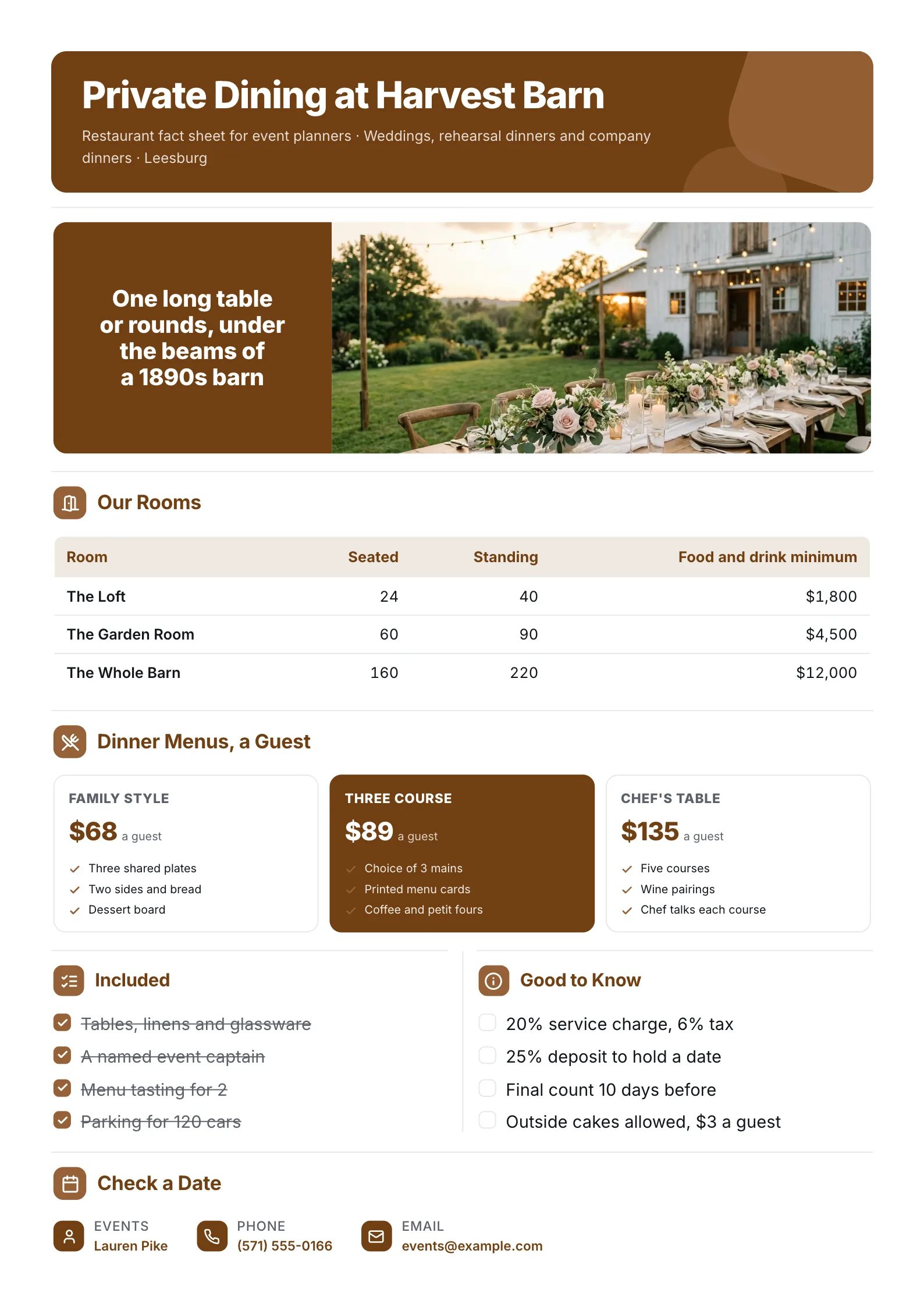
If you plan events, you want to know three things before you book a dinner. Will your group fit, what will it cost and what's the catch? Harvest Barn's private dining sheet answers in that order.
Our Rooms lists each space with its seated and standing count and its food and drink minimum. The Loft starts at $1,800, the Garden Room at $4,500 and the whole barn, 160 seated or 220 standing, at $12,000. Three dinner menus follow, priced per guest from $68 to $135. Then Good to Know names the 20% service charge, the 6% tax and the 25% deposit before you have to ask.
 Edit this template
The service charge and deposit sit on the page, so a planner can trust the rest.
Dense, for an expert: an investor sheet
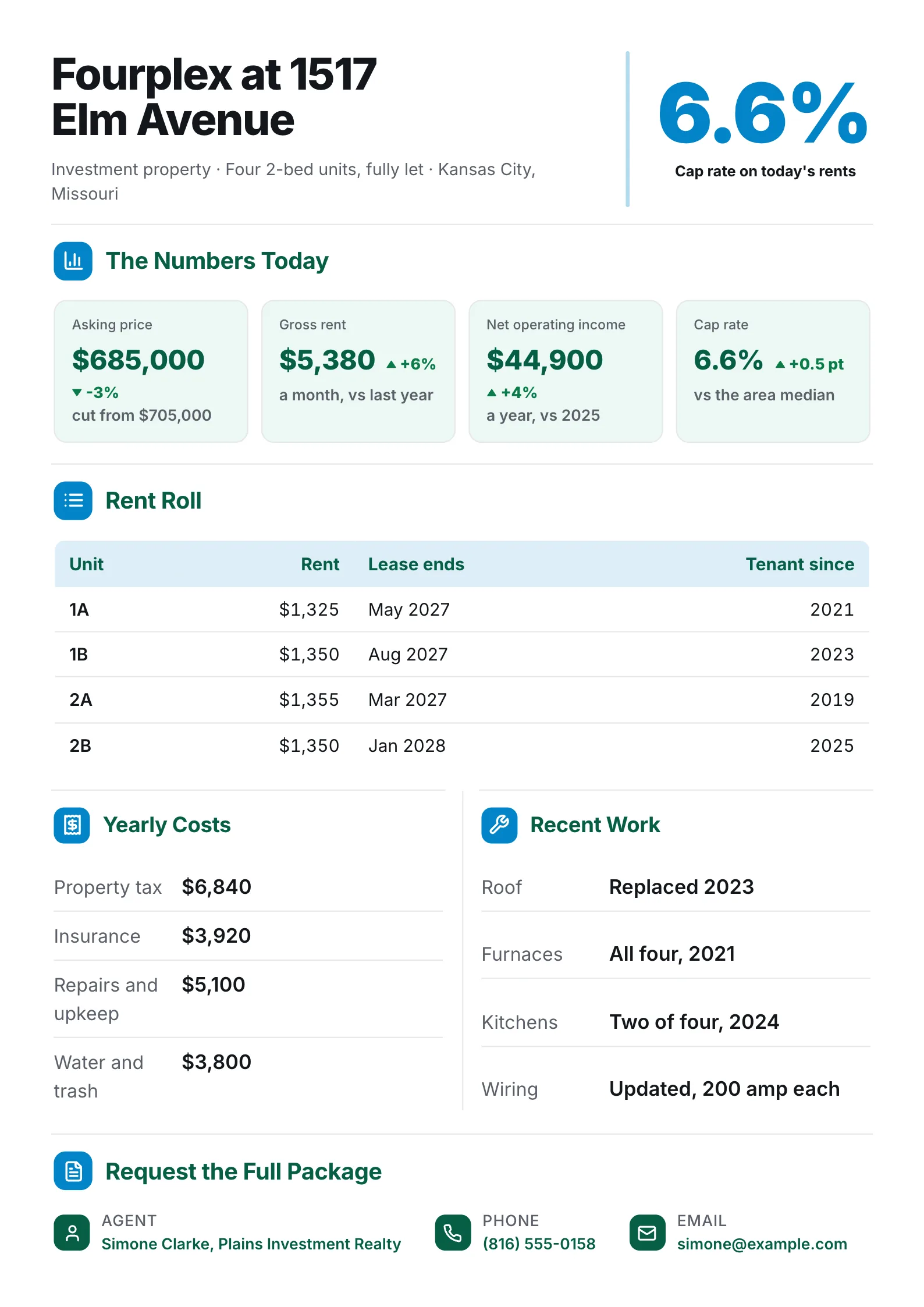
If your reader is an investor, you have the expert reader, the one who'd want the four-page arsenic sheet. The fourplex sheet still fits on one page, but it packs it the way ATSDR packs its highlights box. It opens with four numbers. The asking price is $685,000, cut 3% from $705,000. Gross rent is $5,380 a month, up 6%. Net operating income is $44,900 a year, and the cap rate is 6.6%, half a point over the area median.
Below that, a rent roll lists each unit's rent, when its lease ends and how long the tenant has stayed. Yearly costs come next, from $6,840 of property tax to $3,800 for water and trash. Recent Work closes it out with a roof replaced in 2023 and all four furnaces in 2021. If you're the investor, you can check every claim against a number on the same page.
 Edit this template
The four numbers an investor asks first come before anything else.
If you'd like a step-by-step method for your own sheet, our guide on how to write a fact sheet covers it, and the fact sheet template post shows more business layouts. The grid below has six more examples, from a supplier sheet to a vacation rental.
Name your reader, then write your sheet
Decide who's reading before you decide the length. Then list the five questions that reader will ask, in the order they'll ask them, and answer each in a short block with your contact at the bottom. Each sheet above is an editable design in MakeOnepagers, so begin with whichever reader matches yours.
Frequently asked questions
What should a fact sheet include?
A clear title, the key numbers near the top, short sections that each answer one question and a contact at the end. Add a short list of sources if your reader may want to check your facts. All 6 public sheets we read do.
How long should a fact sheet be?
One page for most readers, two to four for experts. Pennsylvania covers arsenic for homeowners in 526 words on one page, while the federal ToxFAQs sheet runs about 1,200 words over two pages for a more technical reader.
Should fact sheet headings be questions?
Questions work well because they match what the reader is wondering. Five of the 6 public health sheets we read use them, such as "What is air pollution?" and "What can I do?" On a business sheet, a mix of questions and plain labels is fine.
What's the difference between a fact sheet and a flyer?
A flyer is built to catch attention, often with one offer and little detail. A fact sheet is built to answer questions, with numbers, specifics and a contact. A flyer gets someone to the open house. The fact sheet tells them what the taxes are once they're there.




