BlogGuide
One Pager Assignment Rubric: 8 Real Rubrics Compared
A one pager assignment rubric built from 8 real classroom rubrics: what they grade, how they weight art against thinking, and a 100-point rubric.

By MakeOnepagers Team
Updated · 6 min read
A one pager assignment rubric tells students how their one-pager will be scored: which elements count, what an A looks like next to a C, and how many points each part is worth. We downloaded 10 one-pager rubrics that teachers and teacher resource sites publish as PDFs, on 12 October 2026. Three turned out to share the same rubric, so we compared 8. Below: what they grade, how much of the grade goes to art, a 100-point rubric built from the best of them, and how to use it. Every example below was made with MakeOnepagers and opens as a template you can edit for free.
One‑Pager examples
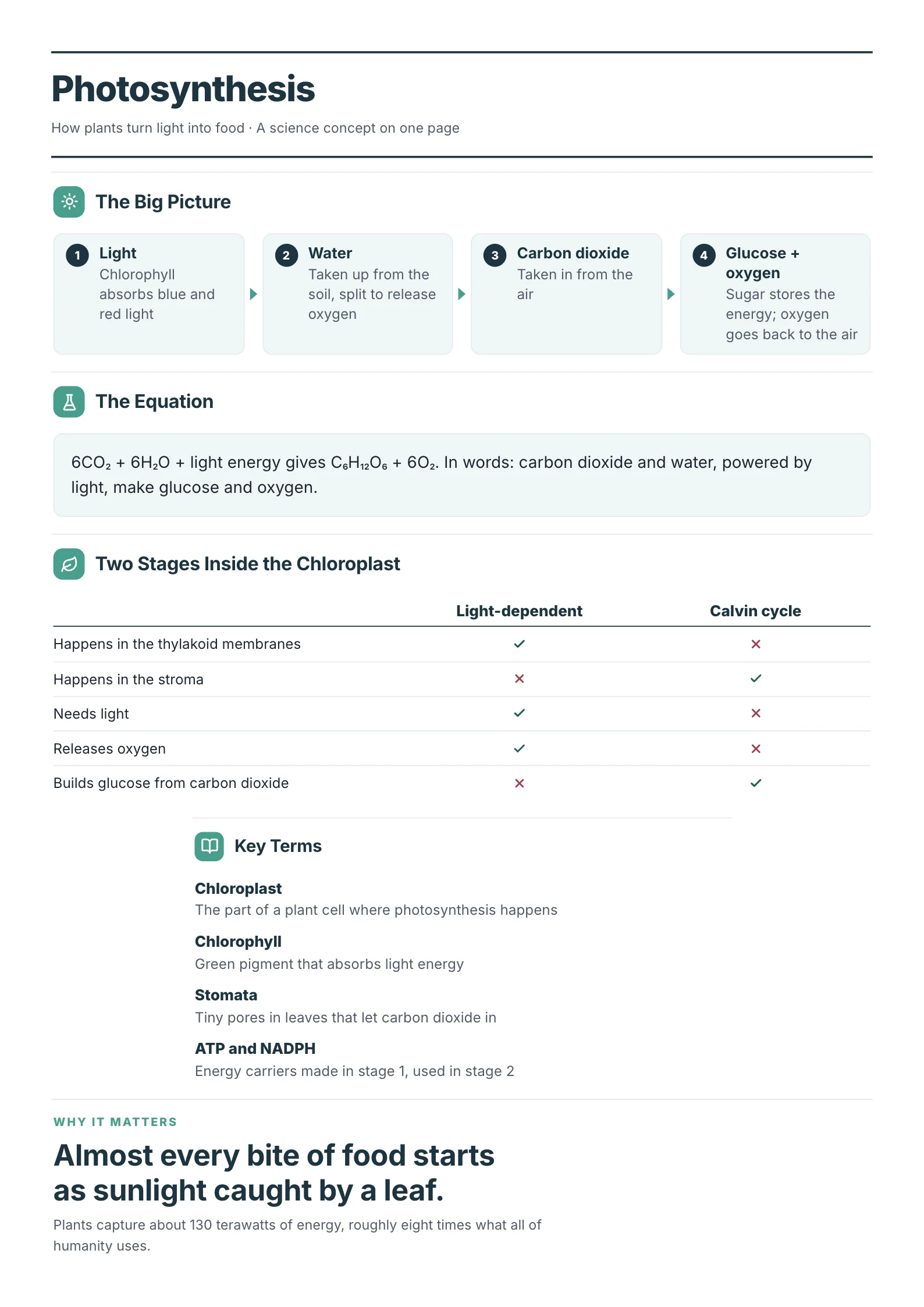
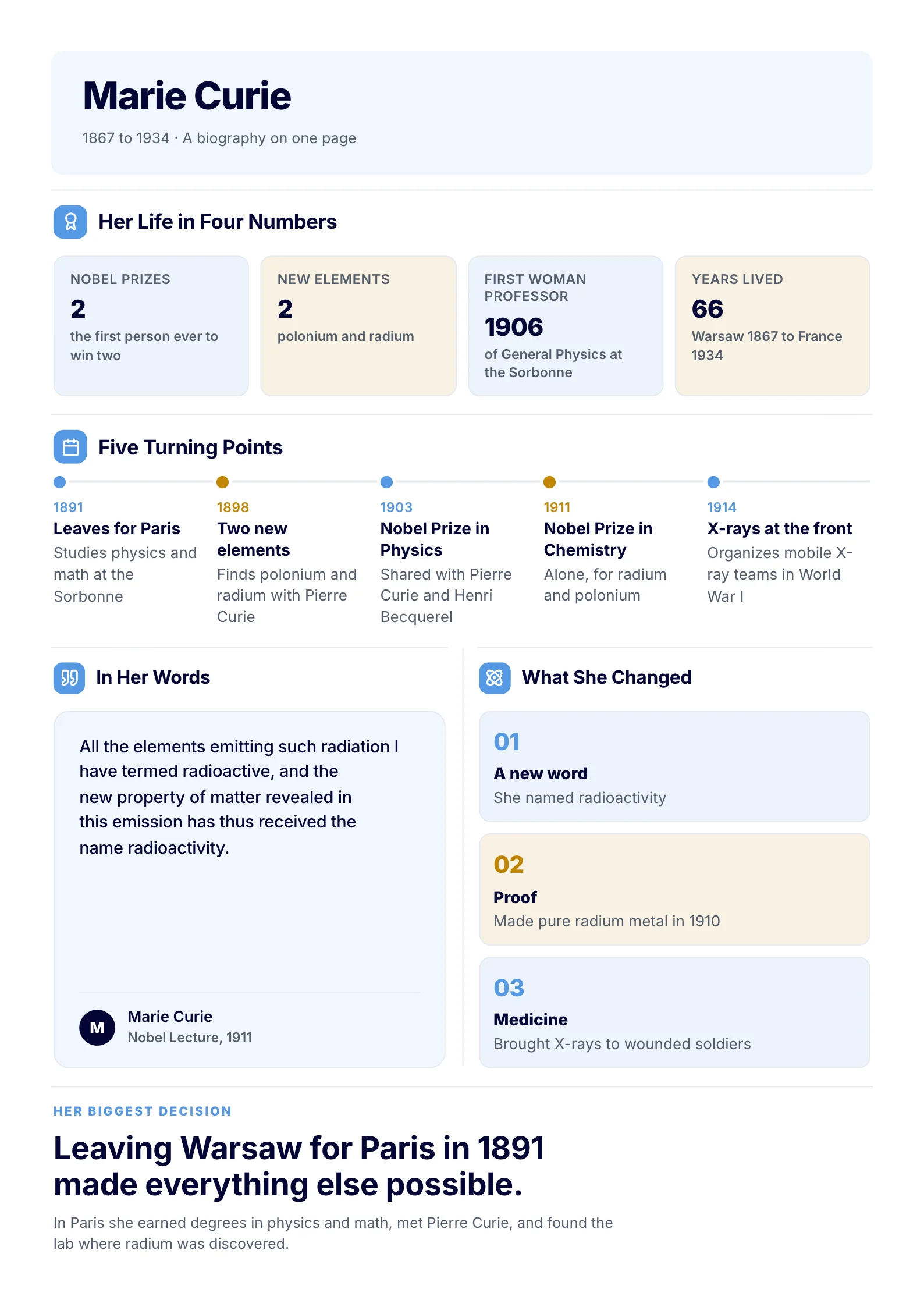
Real One-Pagers made with MakeOnepagers. Open any one to edit it as your own.
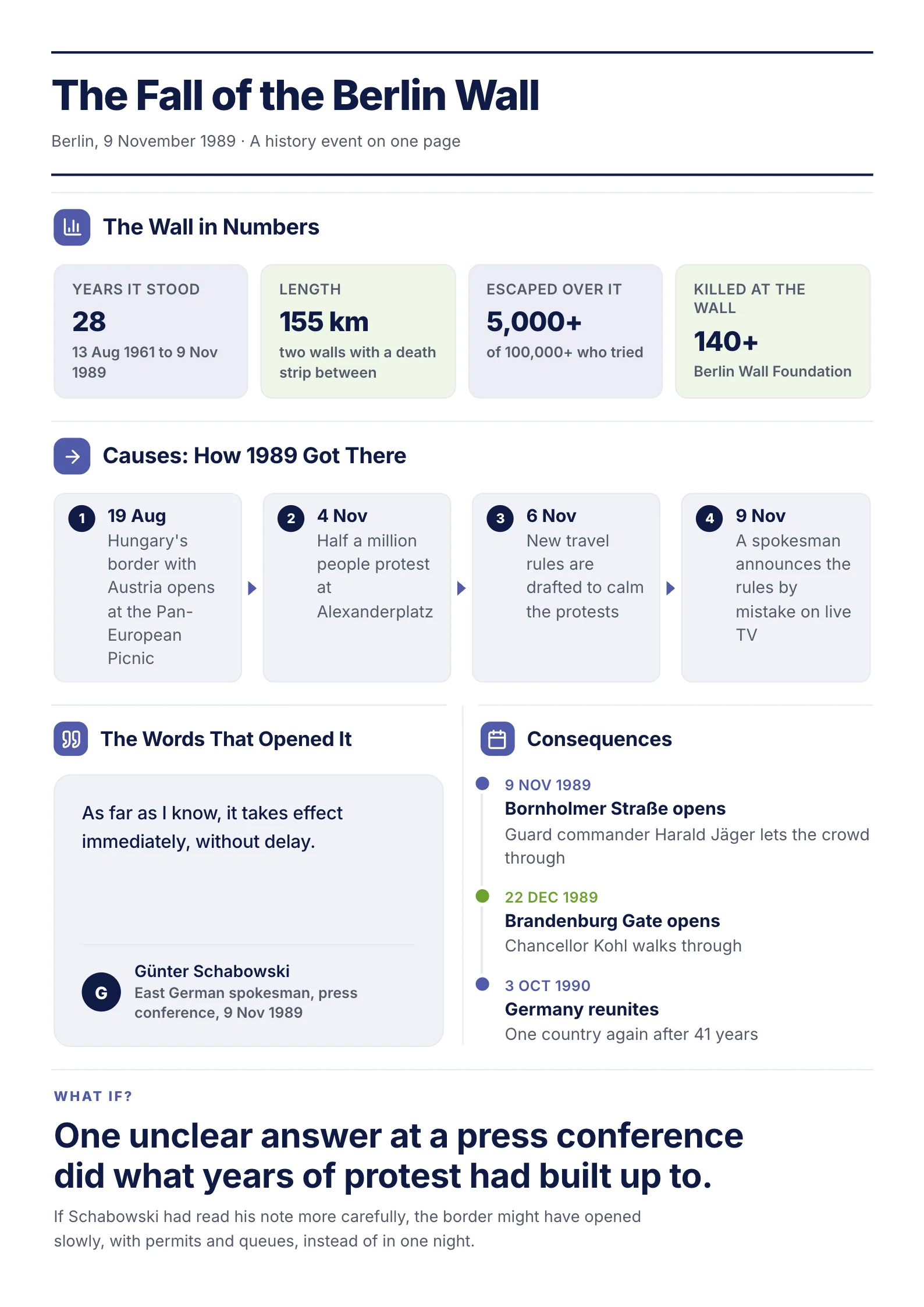
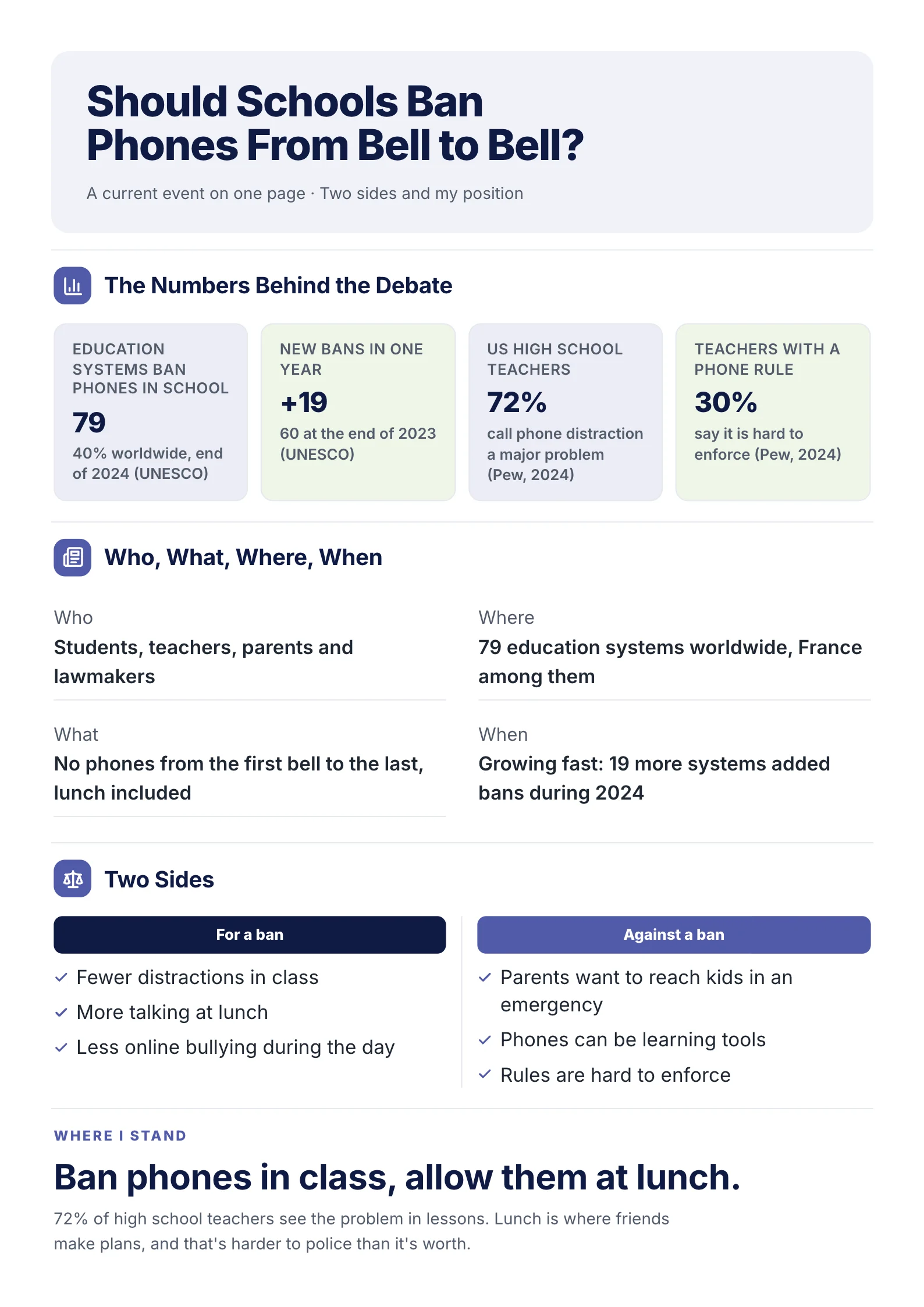
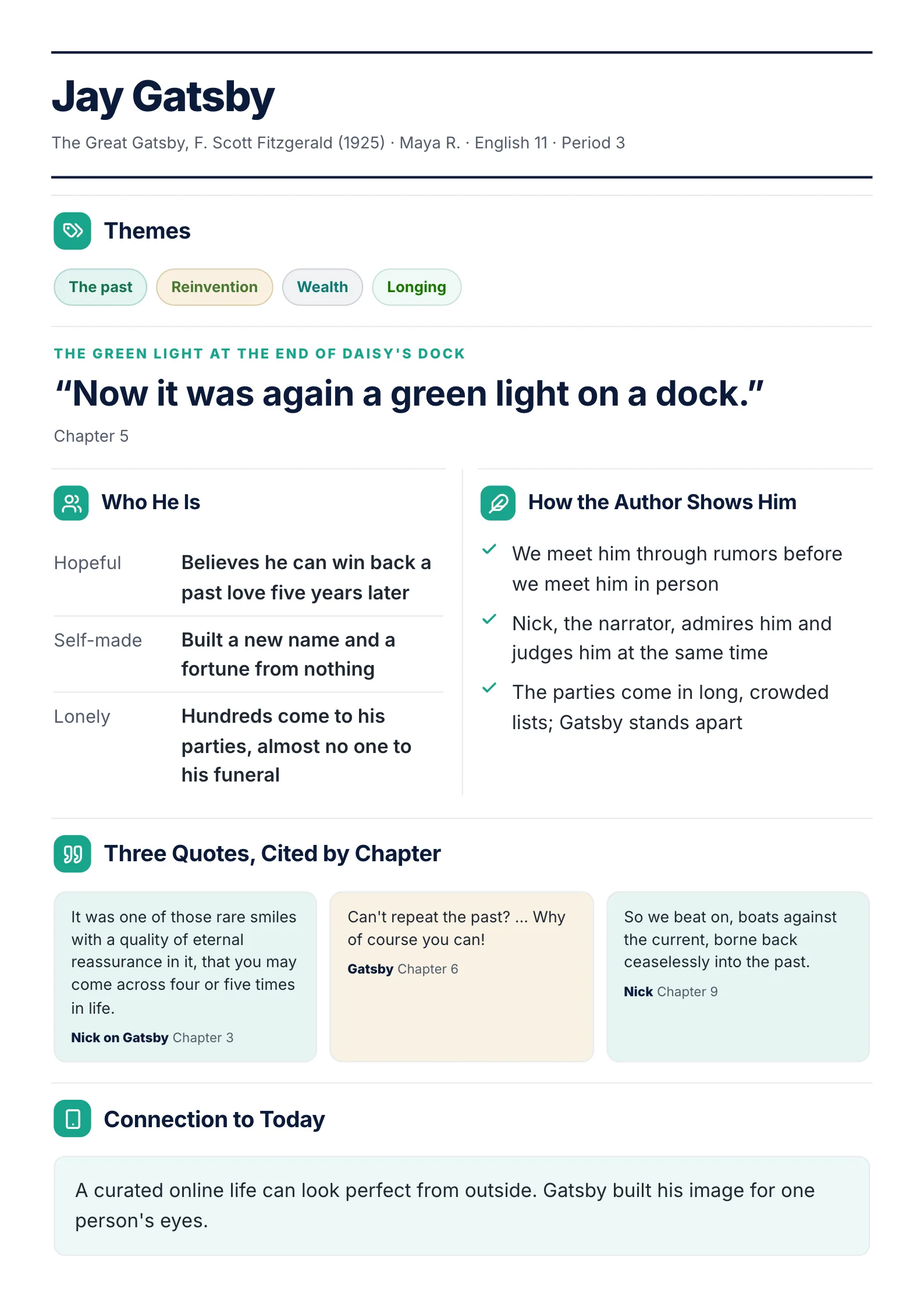
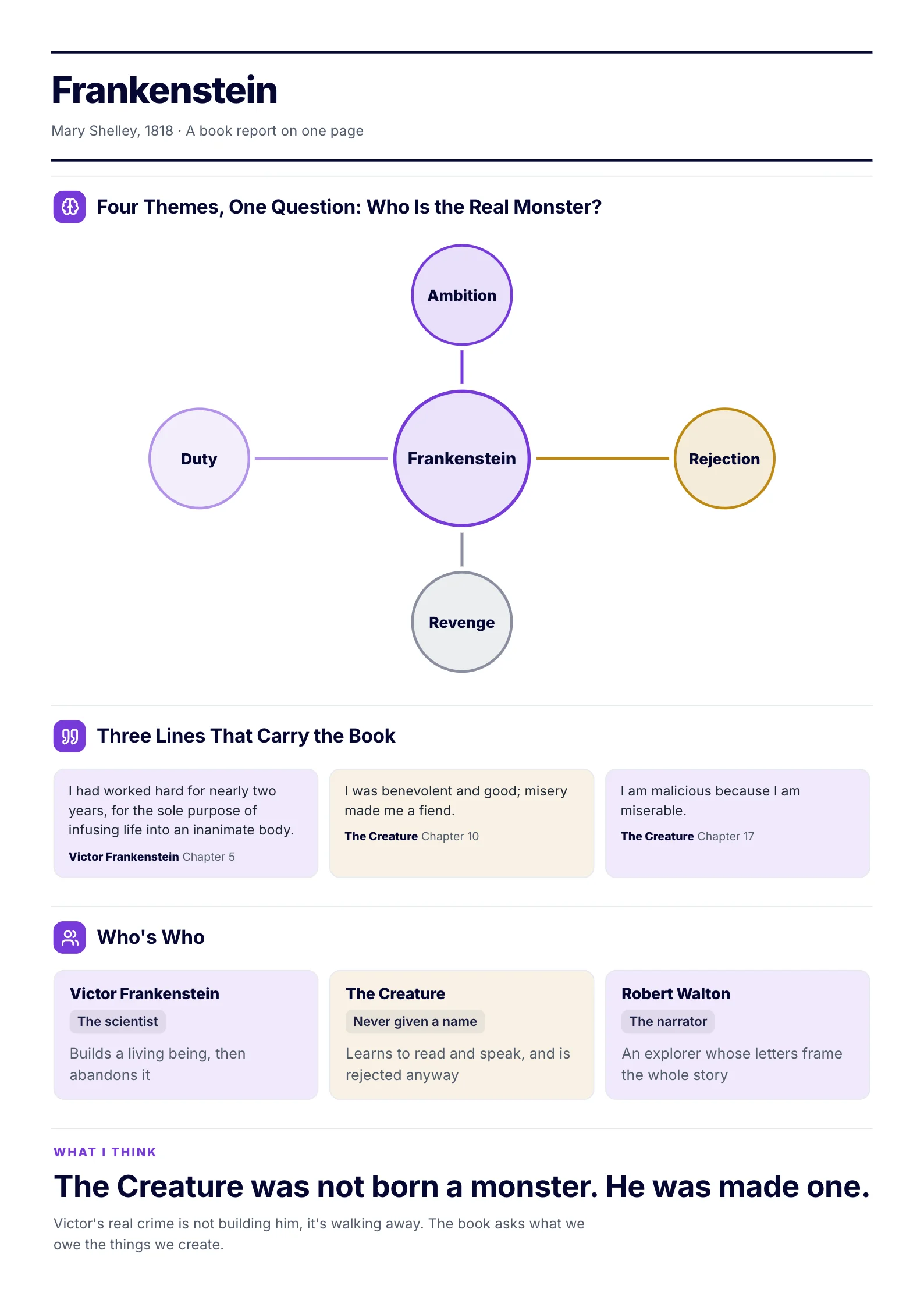
What a one-pager assignment is
A one-pager is a single sheet on which a student responds to a text or topic with words and images together: a title, quotes, a visual, key vocabulary, a personal response and often a border. Teachers use it after a novel, a chapter, a history unit or a science topic. One packet we read puts the purpose well: like sketch notes, one-pagers combine visuals with text so ideas stick.
The same packet names the problem a rubric has to solve: students who are not confident at art may feel they are being graded unfairly on their artistic ability.
What 8 real rubrics grade
We counted an element only when the rubric or its directions names it.
| Element | Rubrics that name it |
|---|---|
| A visual: drawing, image or symbol | 7 of 8 |
| A personal response or connection | 6 of 8 |
| Color, neatness or filling the sheet | 7 of 8 |
| Quotes from the text | 5 of 8 |
| A border | 5 of 8 |
| Vocabulary | 3 of 8 |
| A student self-assessment column | 1 of 8 |
How they score
| Scoring | Rubrics |
|---|---|
| Points that total 100 | 2 |
| Four levels, such as A to D or 1 to 4, with no point totals | 3 |
| Three levels, with a student and a teacher column | 1 |
| A requirements checklist, no levels | 2 |
The level-based rubrics range from 3 criteria to 18. The shortest scores only textual analysis, required elements and thoroughness. The longest is a template with 18 possible rows, from summary and quote to theme and author's purpose, with a note to delete the rows you do not need.
How much of the grade is art?
Only the two point-based rubrics let you measure it.
| Rubric | Thinking | Visual and appearance | Other |
|---|---|---|---|
| Rubric A: 5 criteria, each scored 0 to 4, times 5 | Information 20, personal response 20 | Border 20, illustrations 20, appearance 20 | |
| Rubric B: 6 criteria, points to 100 | Quotes 20, response 30 | Graphic tied to the quotes 20, presentation 10 | Title and author 10, name 10 |
In Rubric A, the border, illustrations and appearance together are 60 of 100 points, though the border is partly scored on whether it carries the theme. In Rubric B, the visual and presentation are 30, and the single largest item is the written response at 30.
Rubric B's approach answers the packet's worry: the visual is graded on whether it ties to the quotes, not on how well it is drawn.
A 100-point one pager assignment rubric
Built from the elements most of the 8 share, weighted toward thinking.
| Criterion | Points | 4: Exceeds | 3: Meets | 2: Approaching | 1: Beginning |
|---|---|---|---|---|---|
| Understanding of the text or topic | 25 | Main idea and key details accurate and specific | Main idea accurate, some details | Partly accurate or general | Inaccurate or missing |
| Evidence: quotes or facts | 20 | 2 or more, well chosen, cited | 2, relevant | 1, or loosely related | None |
| Personal response or connection | 25 | Specific, explained, goes beyond summary | Clear connection | Mostly summary | Missing |
| Visual that explains an idea | 20 | Tied to a quote or idea, with a caption | Related to the text | Decorative only | Missing |
| Organization and completeness | 10 | Every required element, sheet planned and filled | Most elements, organized | Several missing | Few elements |
Scoring: for each criterion, multiply the level by a quarter of its points. A 3 on a 20-point criterion is 15 points. A 4 everywhere is 100.
What makes it different: 70 of the 100 points are understanding, evidence and response. The visual is scored on what it explains, not on drawing skill. Color and neatness sit inside organization, at 10.
A model to show students
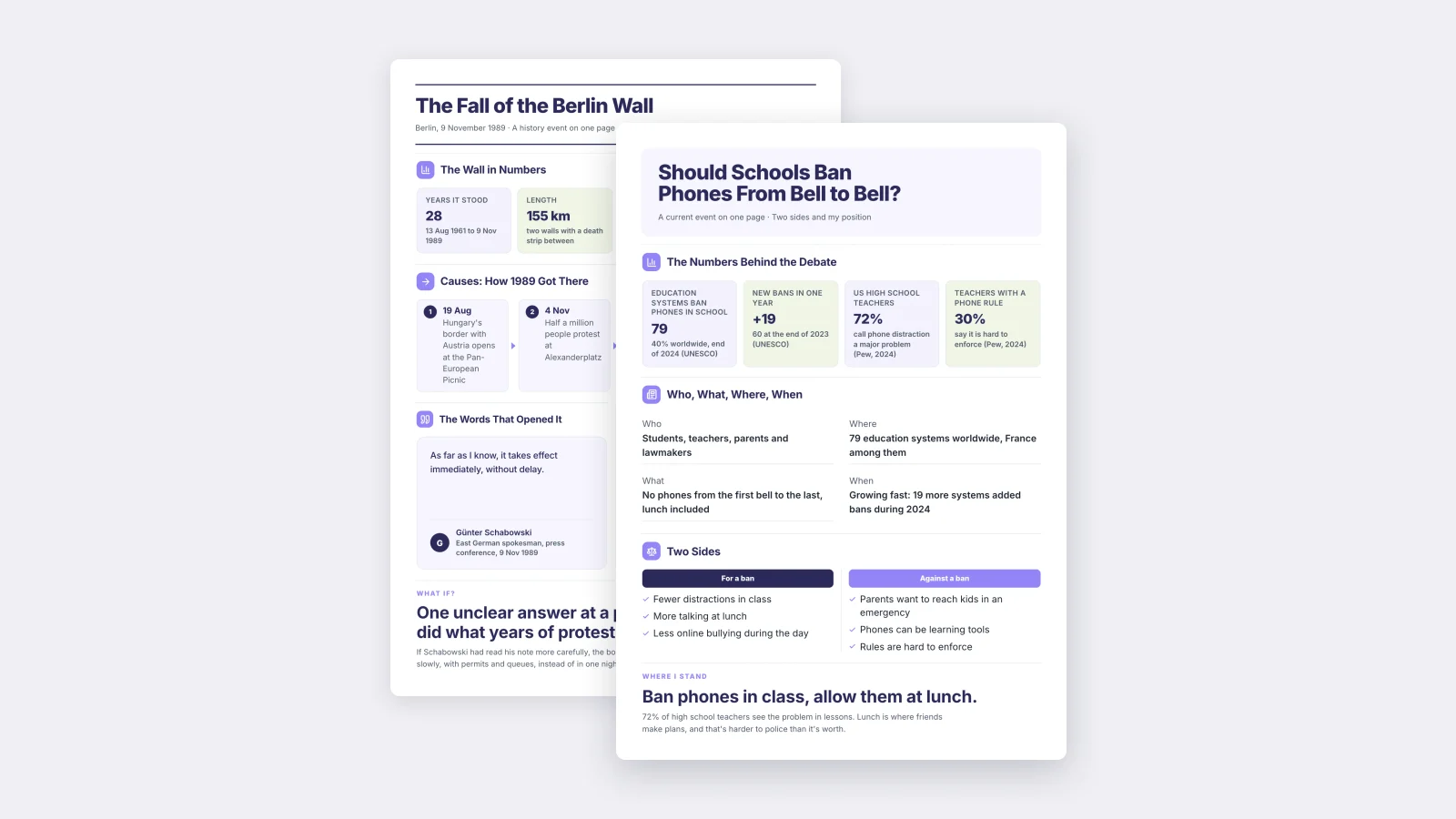
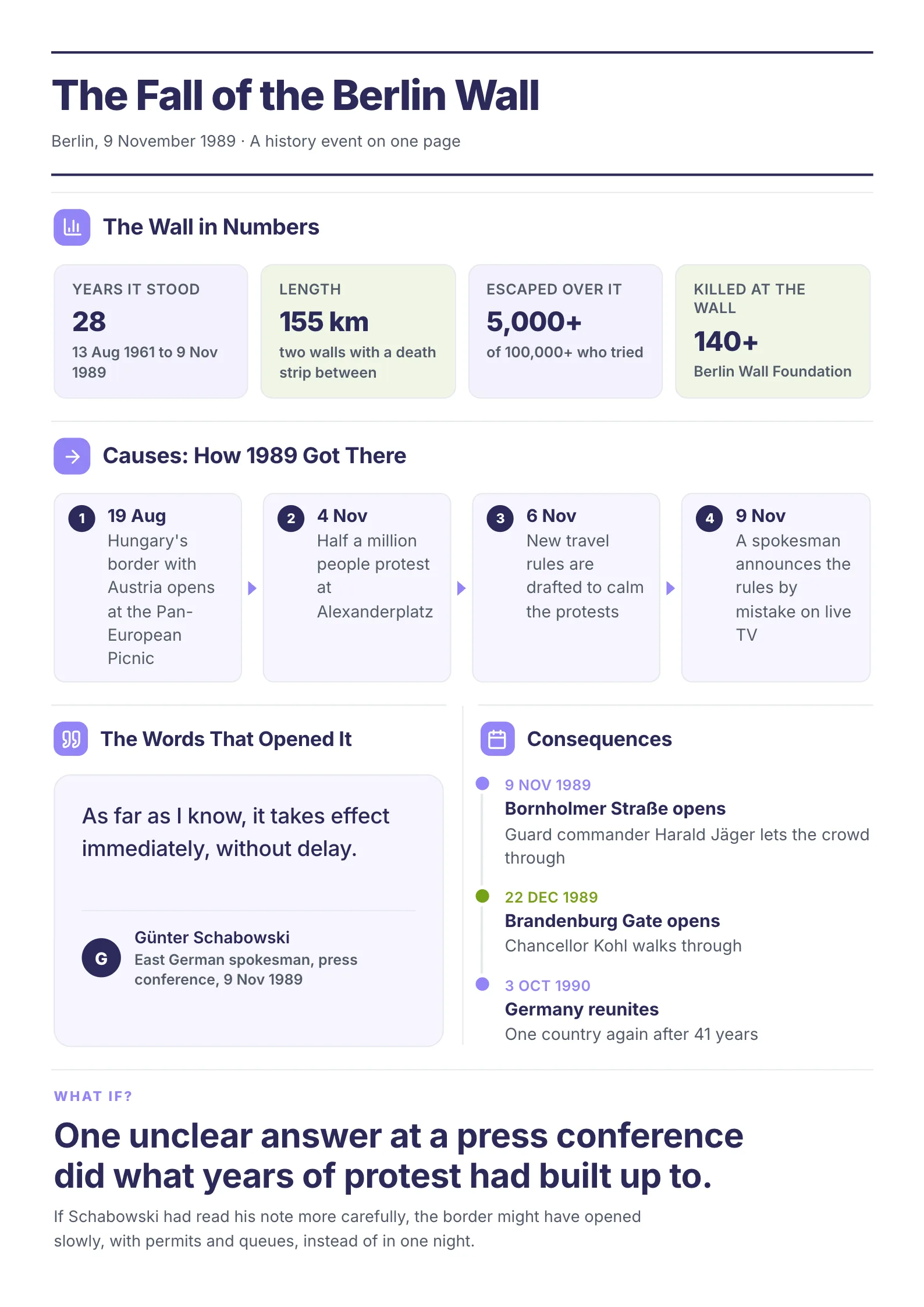
Show students a finished one-pager before they start. A history one-pager from our library shows each element a rubric looks for:
 Edit this template
A sample history one-pager: numbers as evidence, causes in order, a quote with its source, consequences and a closing reflection.
Map it to the rubric:
- Understanding: the causes and consequences, in order.
- Evidence: four numbers and a quote with its speaker and date.
- Personal response: the "What if?" at the bottom.
- Visual: the timelines, each explaining an order of events.
Open it: history event template.
How to use the rubric in class
- Hand it out with the assignment, not after.
- Show a model and score it together with the rubric.
- Let students self-assess first. One rubric we read has a student column next to the teacher column; it makes students read the criteria.
- Delete what you are not asking for. The 18-row template tells teachers to do exactly that.
- Grade the visual on what it explains, and say so on the sheet.
Students who would rather type than draw can lay out their one-pager with the free AI One-Pager generator and add their own sketch, which keeps the grade on their ideas. Check your school's rules on AI tools first.
Rubric mistakes
| Mistake | Fix |
|---|---|
| Most points for art and neatness | Weight understanding, evidence and response |
| "Visual image" with no link to the text | Score whether it explains an idea or quote |
| 18 criteria for a 40-minute task | 4 to 6 criteria |
| Levels with no points | Give each criterion its points |
| Rubric handed out at the end | Hand it out with the assignment |
| No model | Score a sample together first |
Make your rubric
Copy the 100-point table above, delete any criterion you are not asking for, and hand it out with the assignment and a model. For the model, open the history event template or another student template and score it with your class.
Frequently asked questions
What should a one-pager rubric include?
Criteria for understanding of the text, evidence such as quotes, a personal response, a visual that explains an idea, and organization, each with levels and points.
How many points should a one-pager be worth?
Use whatever your gradebook needs, but give each criterion its own points. The two point-based rubrics we read both total 100.
How do I grade a one-pager fairly for students who cannot draw?
Score the visual on what it explains, not how it looks, and let symbols, printed images or diagrams count. One rubric we read scores the graphic on whether it ties to the quotes.
What are the elements of a one-pager assignment?
Most include a title, quotes, a visual, key vocabulary, a personal response and a border. In the 8 we read, the visual and the personal response were the most common.
Should students self-assess with the rubric?
It helps them read the criteria. One of the rubrics we read has a student column beside the teacher's.